
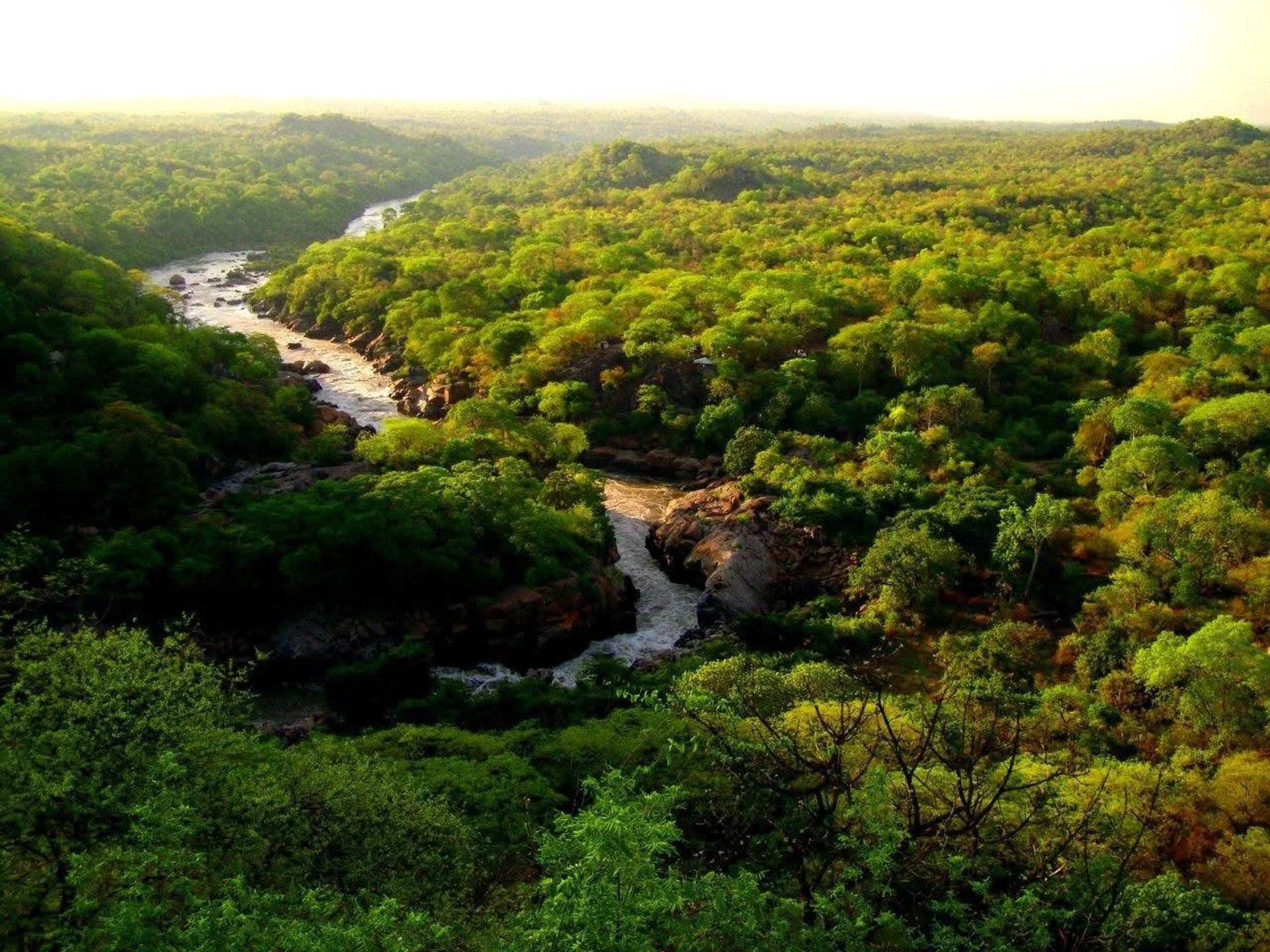
Mpatamanga Wildlife Ranch - Malawi
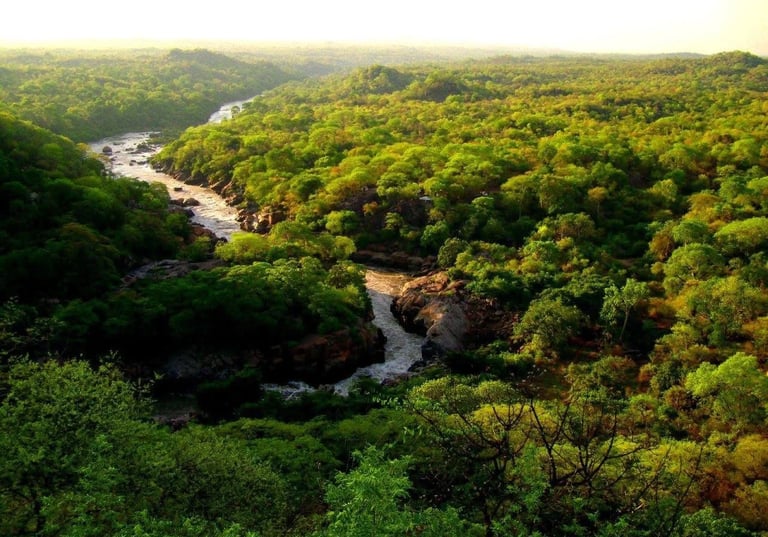
A 238 Hectare Privately Managed Indigenous Forest in Malawi - Home to 519,180 Trees
"Ian Bartlett, AKA 'The Real Crocodile Hunter', represents one of the few documented examples in Malawi of long-term, self-funded woodland conservation and restoration undertaken independently and supported by scientifically verified outcomes. His work at Mpatamanga Wildlife Ranch demonstrates more than two decades of sustained private stewardship, resulting in the measurable recovery and protection of indigenous Miombo woodland. Achieved largely without institutional, donor, or NGO backing, the Mpatamanga conservation story stands as a compelling example of what determined individual stewardship can accomplish at landscape scale."


Conservation Management and Land Stewardship


Ian Bartlett's True-Life Conservation Memoir, "MPATAMANGA," is now available Worldwide!
For over 20 years, Ian Bartlett dedicated his life to protecting the wilderness of Mpatamanga Gorge in Malawi. MPATAMANGA is his true story of conservation, adventure, danger, and determination as he fought to protect wildlife and over 500,000 indigenous trees without government or NGO support.
Available now on AMAZON!


About Mpatamanga Wildlife Ranch
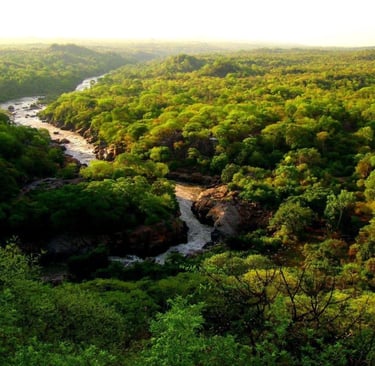
Mpatamanga Wildlife Ranch is a privately managed indigenous woodland located along the Shire River in Neno District, Malawi.
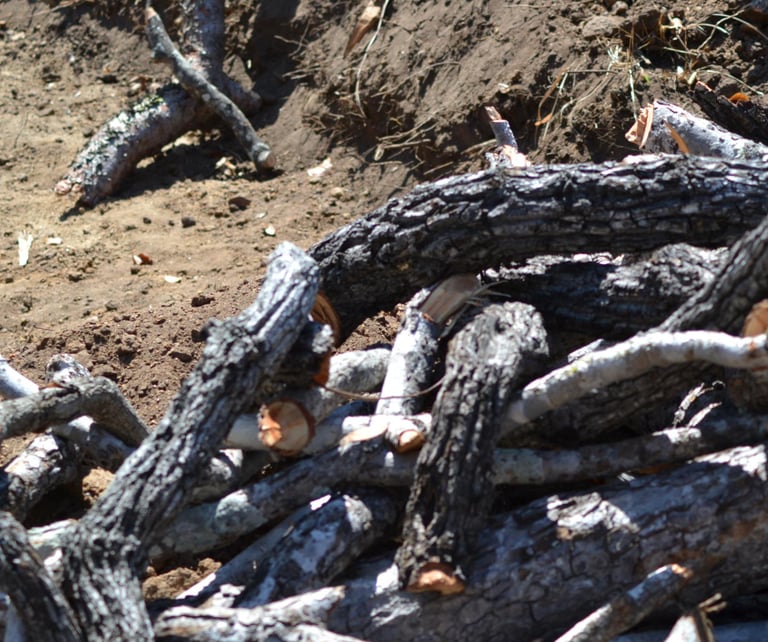
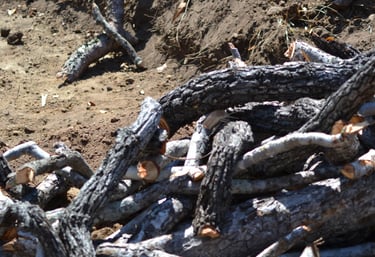
Over more than 20 years, the land has been actively protected and managed following earlier degradation caused by charcoal burning and illegal logging.
The current forest condition reflects sustained ecological recovery through natural regeneration, supported by consistent, long-term management on the ground.
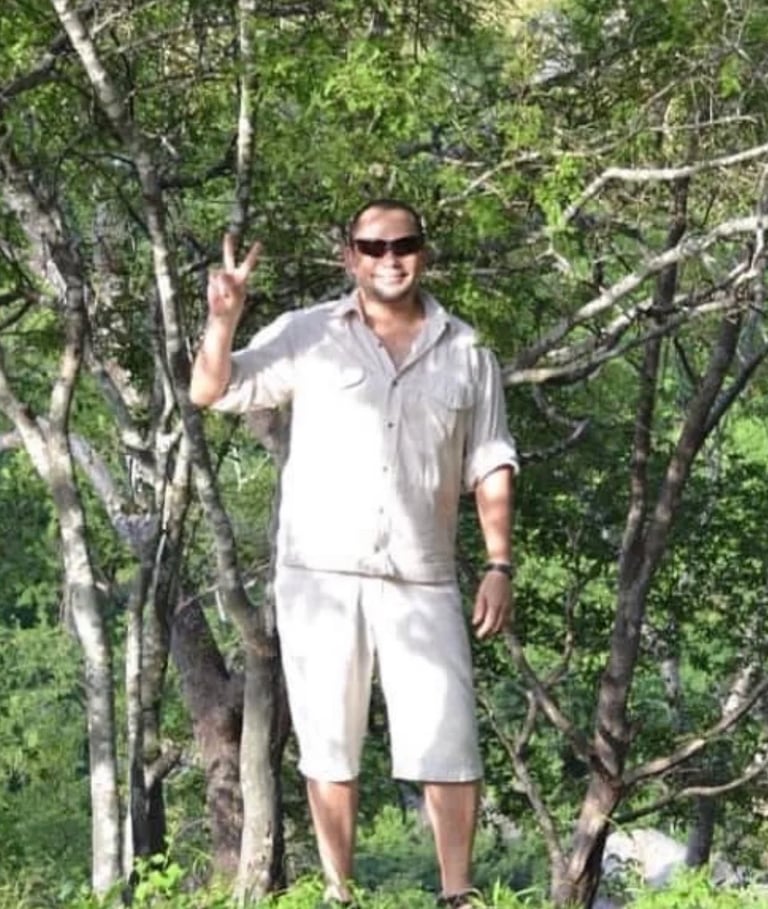
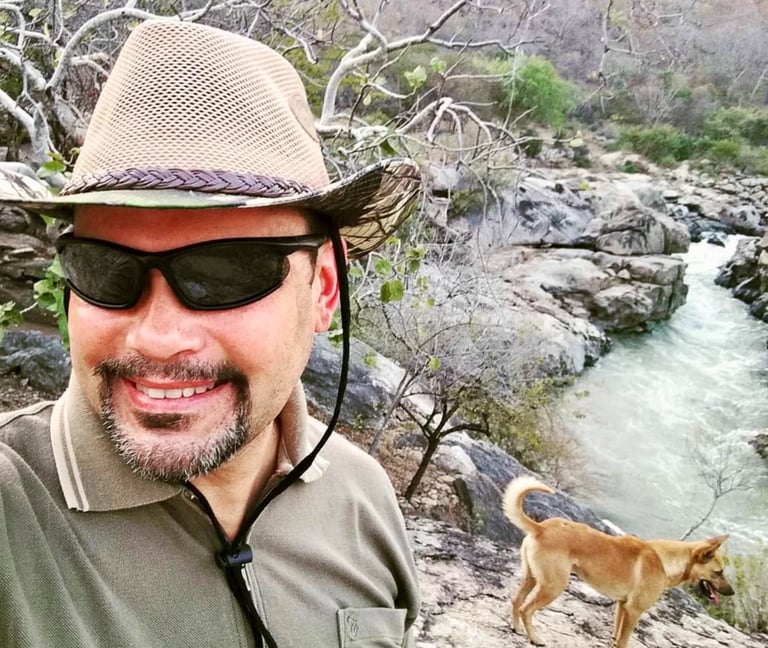
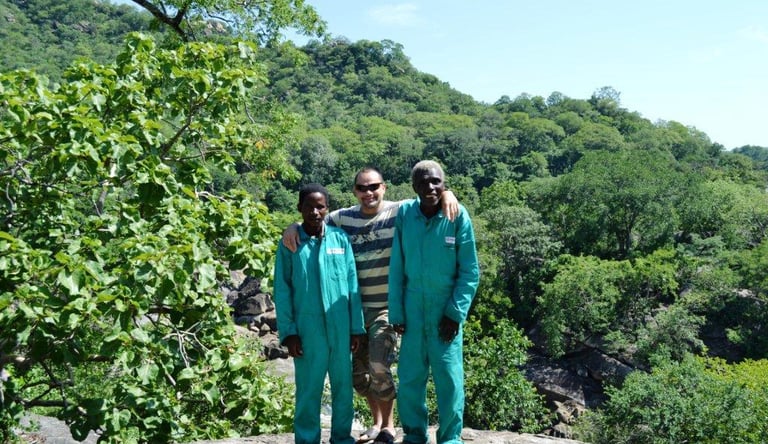
The ranch is owned and managed by Ian Bartlett — The Real Crocodile Hunter®, whose field experience in Malawi includes work in human-wildlife conflict environments along the Shire River, providing practical insight into the pressures affecting both forest ecosystems and wildlife.




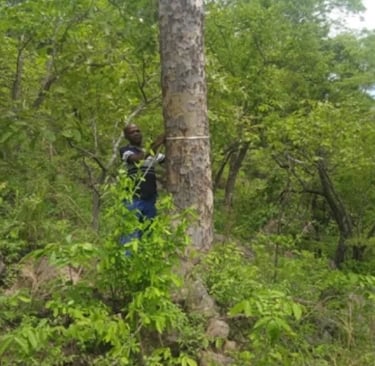


Protection from illegal logging and charcoal burning
Natural regeneration supported over 20+ years
Preservation of indigenous woodland and biodiversity




Independently verified by the Forestry Research Institute of Malawi (FRIM), December 2025
🌿 MPATAMANGA WILDLIFE RANCH
Feel free to connect and share your thoughts or views on Ian Bartlett's conservation work in Africa
© 2026. MPATAMANGA WILDLIFE RANCH. All rights reserved.