Conservation Value

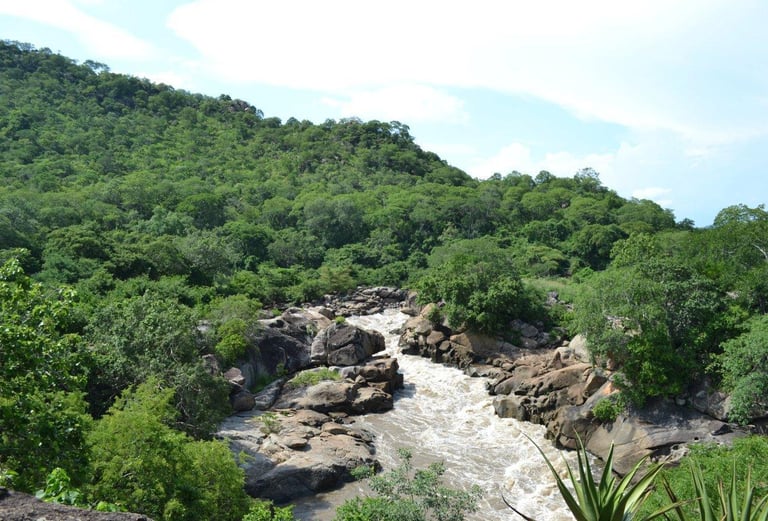
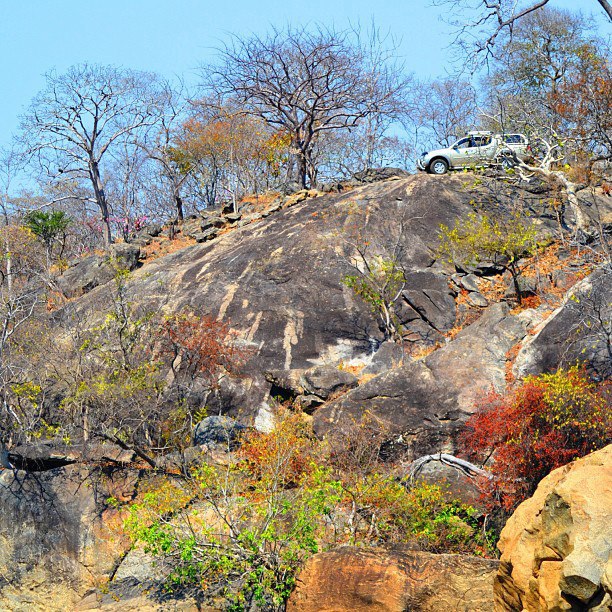
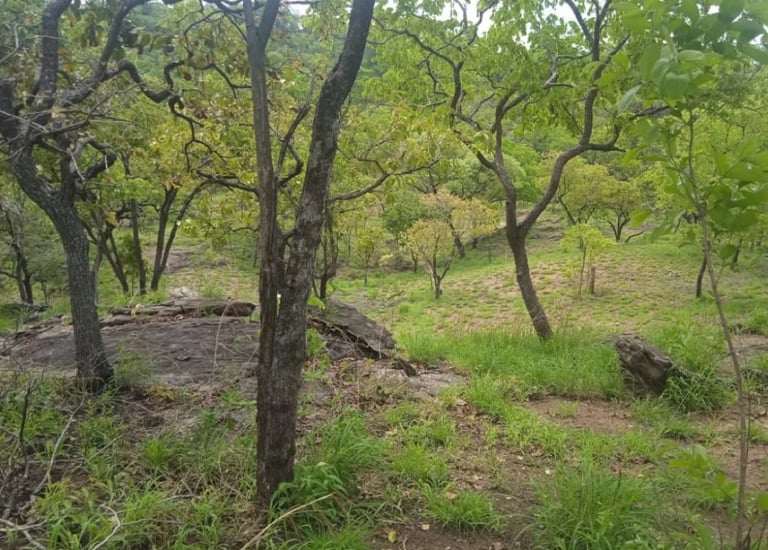
Mpatamanga Wildlife Ranch represents a recovering indigenous woodland ecosystem of measurable ecological significance.

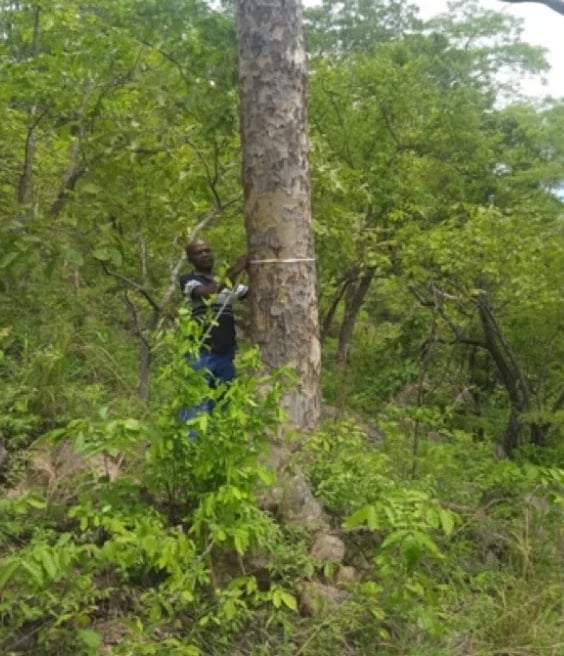
The verified presence of over 519,180 trees across 238 hectares reflects sustained natural regeneration and long-term protection from unsustainable land use.

This level of recovery contributes to biodiversity support, soil stability, and landscape-level ecological resilience within the Shire River basin.

Long-Term Ecological Recovery

The forest structure demonstrates a self-sustaining regeneration pattern, supported by a high density of younger growth alongside established mature trees.

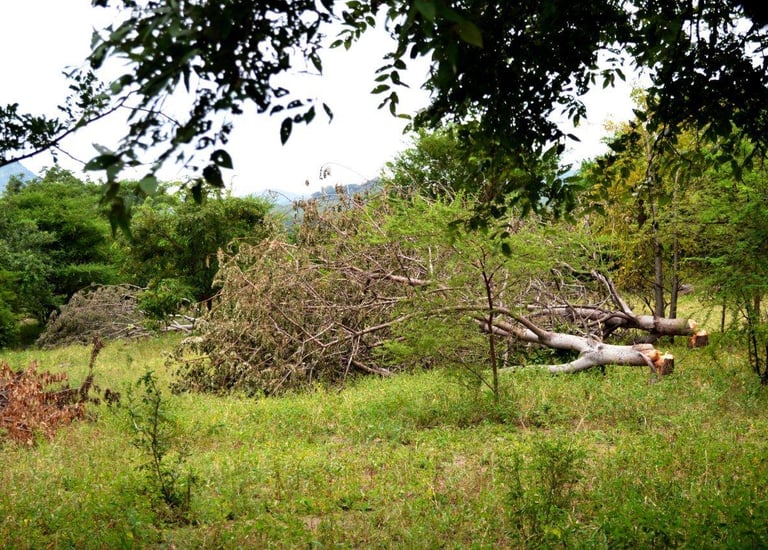
This distribution reflects a stable and expanding woodland system, rather than degraded or transitional land.

Over more than two decades, continued protection has allowed natural ecological processes to restore and strengthen the integrity of the forest.

Wildlife Conservation

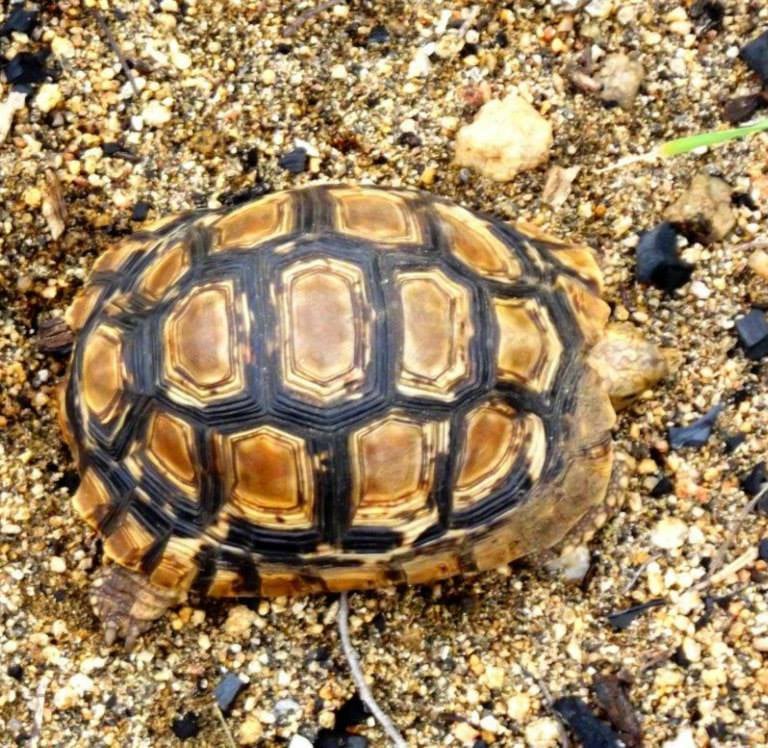
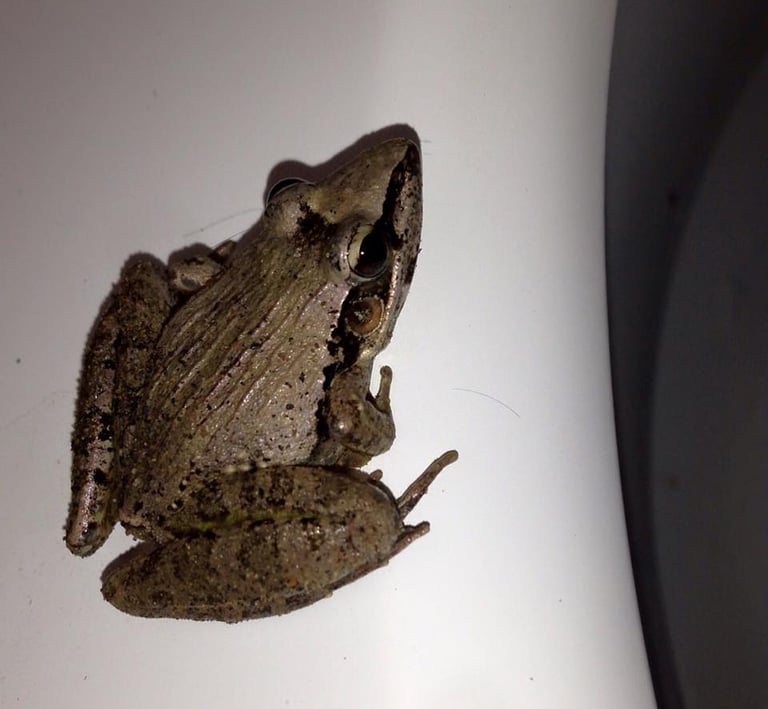
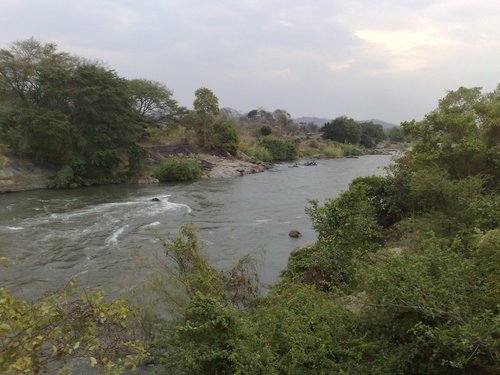
Mpatamanga Wildlife Ranch forms part of a wider ecological landscape along the Shire River, supporting habitat continuity for native wildlife species.

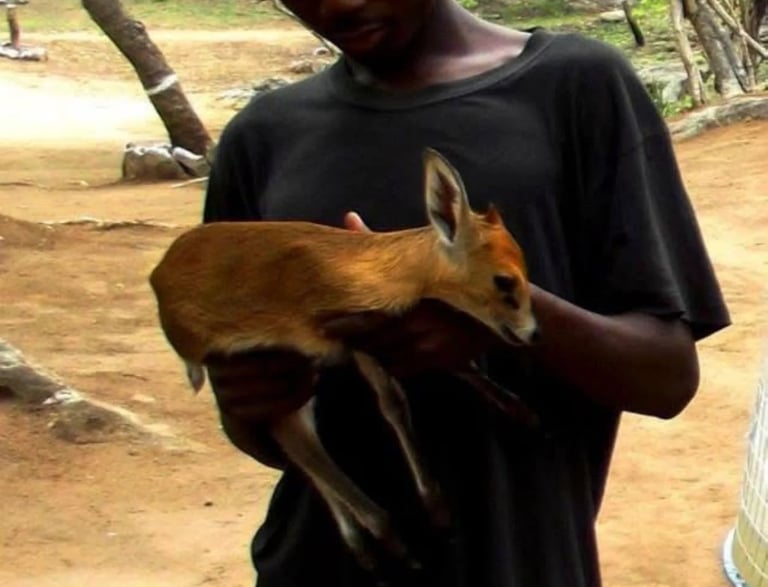
The protection of the woodland over more than two decades has allowed natural habitat conditions to recover, providing shelter, forage, and movement corridors for wildlife within the area.

The ranch’s status as a licensed game ranch under the Department of National Parks and Wildlife (DNPW) reflects its recognised role in supporting wildlife conservation under controlled and regulated management.

By maintaining intact indigenous woodland, the land contributes to sustaining wildlife presence within a region subject to ongoing environmental pressure.
Recognised Environmental Asset

Mpatamanga Wildlife Ranch has been formally recognised and licensed as a game ranch by the Department of National Parks and Wildlife (DNPW), Malawi.

This designation confirms the land’s recognised role in wildlife management, conservation, and controlled use under national regulatory oversight.

Combined with independent forest verification, this establishes the ranch as a functioning environmental asset with measurable ecological value.

Carbon Sequestration Potential

The scale and density of indigenous woodland at Mpatamanga Wildlife Ranch indicate significant potential for carbon sequestration.

The presence of over 519,180 trees across 238 hectares suggests a measurable capacity for long-term carbon storage, subject to formal assessment and certification under recognised carbon credit frameworks.

While no carbon credit programme is currently in place, the underlying forest structure and regeneration pattern position the ranch as a potential candidate for future carbon-based valuation.

Biodiversity and Landscape Function

The ranch supports a range of indigenous species and provides habitat continuity within a wider ecological corridor along the Shire River.

The preservation of this woodland contributes to maintaining ecological balance in the region, supporting both wildlife and long-term environmental stability.

As a regenerating indigenous forest, the land plays an important role in sustaining natural systems at both local and landscape scales.