Independent Forest Inventory – Verified by FRIM

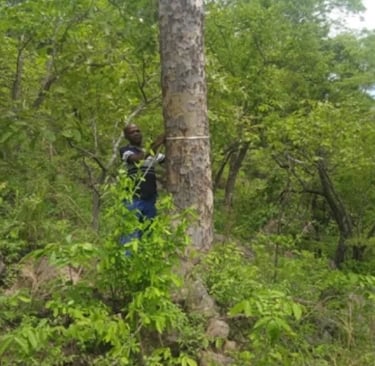
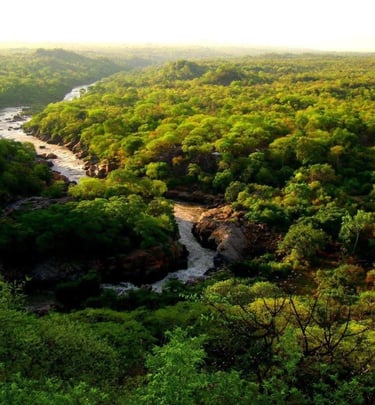
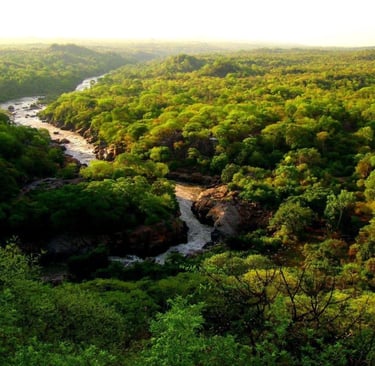
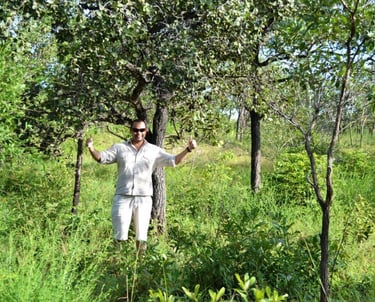
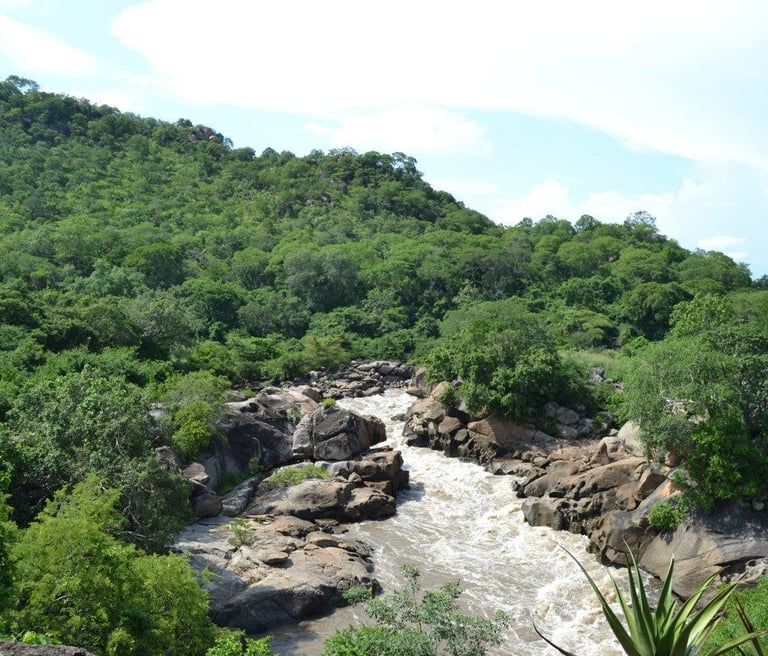
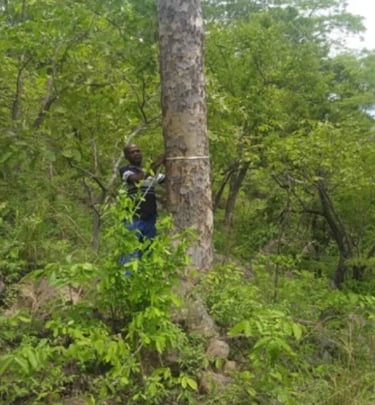
In December 2025, the Forestry Research Institute of Malawi (FRIM) conducted a full forest inventory of Mpatamanga Wildlife Ranch in Neno District.

The assessment confirmed a total area of 238 hectares containing approximately 519,180 indigenous trees under long-term managed regeneration.

  • 238 hectares assessed

  • 519,180 indigenous trees recorded

  • Over 480,000 regenerating stems

  • 68 indigenous species identified

  • Inverse-J distribution indicating a naturally regenerating forest
ian bartlett - conservationist - rancher - the real crocodile hunter

Forest Structure and Regeneration

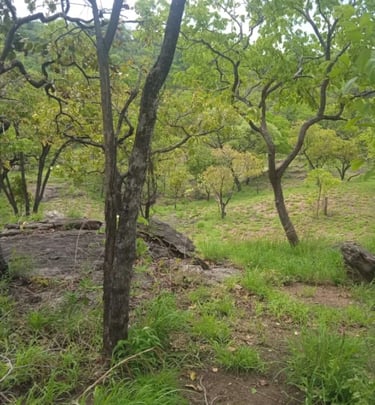
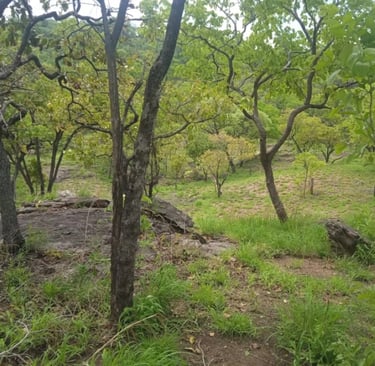
The forest exhibits a classic inverse-J diameter distribution, indicating a healthy and self-sustaining regeneration pattern.

A significant proportion of trees fall within the 5–20 cm diameter class, confirming active regeneration following historical disturbance and over 20 years of continuous management.

Larger mature trees are present and function as seed sources, supporting ongoing natural forest expansion.

Environmental Asset Value

This is not undeveloped land.

The inventory confirms a functioning ecological system with measurable biomass, regeneration capacity, and long-term environmental value.

Any valuation must consider not only land area, but the established forest ecosystem and its future ecological and economic potential.

Species Composition

The forest inventory identified a diverse assemblage of indigenous tree species typical of Malawi’s miombo woodland ecosystem, with a total of 68 species recorded.

The woodland is dominated by multi-use indigenous species, supporting functions such as fuelwood, timber, fruit production, and traditional medicinal use.

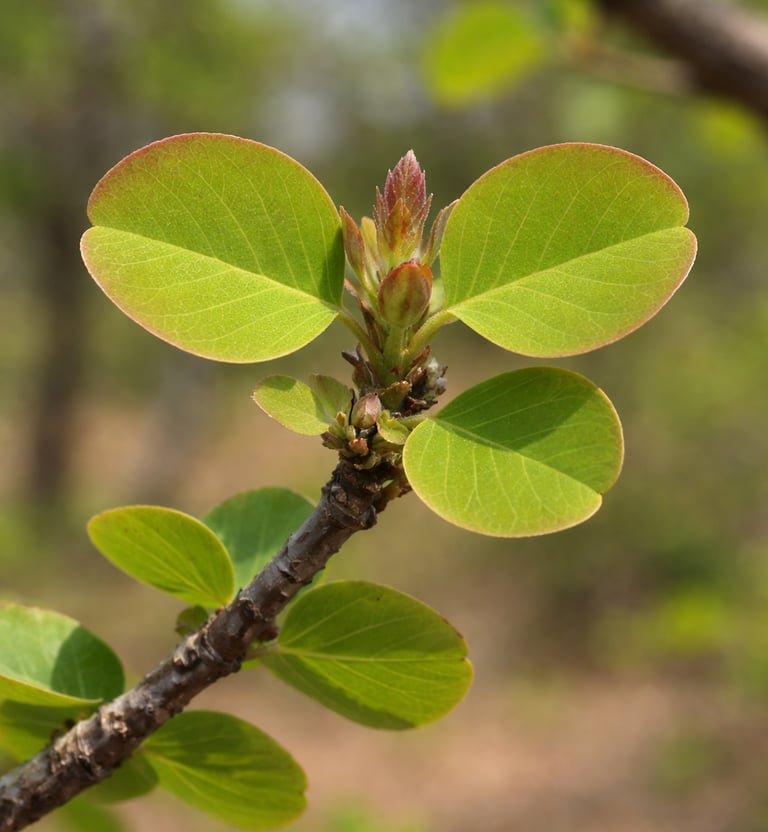
The assessment also confirmed the presence of several protected and high-value species, including Burkea africana, Dalbergia melanoxylon, Pericopsis angolensis, Pterocarpus angolensis, and Terminalia sericea.

The diversity and composition of species, together with their distribution across different growth stages, indicate a structurally balanced and naturally regenerating woodland system.

This level of species diversity contributes to ecological resilience and supports the long-term sustainability of the forest ecosystem.

Protected and High-Value Species

The forest inventory confirmed the presence of several protected and high-value indigenous species, including Dalbergia melanoxylon (African Blackwood), Pterocarpus angolensis (African Teak), Pericopsis angolensis, Burkea africana, and Terminalia sericea.

These species are recognised for their ecological importance and, in some cases, their conservation status, reinforcing the significance of maintaining the woodland under continued protection.

Contact

Reach out to learn more about the ranch's forest conservation efforts.